Why Custom Bags Are the Future of Fashion Branding
In today’s dynamic fashion landscape, individuality and authenticity have become the defining factors of brand success. Consumers are no longer drawn solely to logos or luxury status—they crave products that reflect their identities and values. This shift has given rise to the increasing popularity of custom bags. Whether it’s custom tote bags, custom handbags, custom backpacks, custom drawstring bags, custom shopping bags, custom duffle bags, custom crossbody bags, or even custom wallets, brands are recognizing the immense potential of personalization to elevate visibility, loyalty, and long-term brand equity.
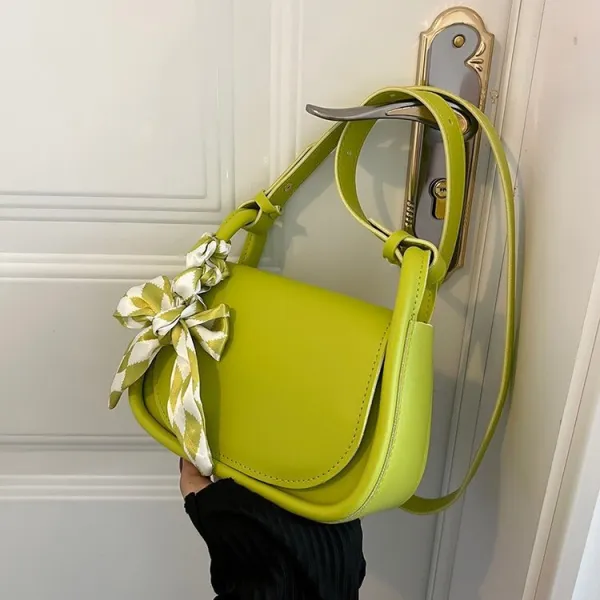
1. The Power of Personalization
Modern consumers have moved beyond mass-produced fashion. They now seek unique pieces that tell their own story. Custom bags give them the freedom to express individuality through material, color, logo placement, and even monogramming. When a customer designs or selects their own custom handbags or custom wallets, the product becomes more than an accessory—it becomes part of their personal identity. This emotional connection makes consumers more likely to form lasting relationships with the brand.
From a branding perspective, personalization is a powerful marketing tool. Every time someone carries a custom tote bag with a logo or message, it becomes a walking advertisement for the company. The fusion of style and identity creates both visual and emotional impact, transforming simple products into statements of loyalty and taste.
2. Building Brand Identity Through Customization
In the past, fashion branding relied heavily on logos and celebrity endorsements. Today, authenticity has become the new luxury. Custom bags allow brands to communicate their values more effectively. For example, eco-conscious brands can create custom shopping bags made from sustainable fabrics or recycled materials, aligning their designs with their environmental missions.
By offering custom backpacks or custom duffle bags with flexible design options, brands give consumers a sense of collaboration. This participatory approach helps customers feel connected to the creative process and, by extension, the brand itself. As personalization becomes mainstream, consumers start identifying with the brand not just for what it sells but for what it represents.
3. Versatility and Functionality in Custom Bag Design
One of the greatest advantages of custom bags is their versatility. They cater to various lifestyle needs while promoting brand exposure. Custom tote bags, for instance, are ideal for everyday errands, travel, or work, while custom crossbody bags offer hands-free convenience for people on the move.
Custom backpacks are popular among students and professionals alike, blending practicality with style. For gyms, sports clubs, and travel enthusiasts, custom duffle bags provide ample space without compromising aesthetics. On the other hand, custom drawstring bags are lightweight and cost-effective, making them perfect for promotional events or giveaways. Each of these bag types offers brands the opportunity to align function with image, ensuring visibility in different contexts.
Even small accessories like custom wallets can carry great branding value. A well-crafted wallet imprinted with a subtle logo keeps the brand in customers’ hands—literally—every day. This daily exposure reinforces brand recall and fosters trust over time.
4. Sustainability and Ethical Appeal
Sustainability has evolved from a trend to an expectation. Consumers increasingly prefer brands that adopt responsible practices, from sourcing to production. Custom bags provide a perfect avenue for sustainable innovation. Many brands now use organic cotton, vegan leather, or recycled polyester to create custom tote bags and custom shopping bags that are both stylish and eco-friendly.
By offering durable alternatives to disposable packaging, brands position themselves as environmentally responsible. A reusable custom bag not only reduces waste but also carries a positive message every time it’s used. This form of “green branding” allows companies to connect with the growing base of eco-conscious consumers, strengthening brand reputation and trust.
5. The Marketing Power of Custom Bags
In an age dominated by digital marketing, tangible products like custom bags offer something digital impressions can’t—physical presence. A custom backpack or a custom tote bag used in public becomes a constant, subtle advertisement that sparks curiosity. According to promotional studies, branded bags generate thousands of impressions during their lifespan, making them one of the most cost-effective promotional tools available.
Events, trade shows, and influencer collaborations further amplify this effect. Custom drawstring bags distributed at a sports event, for example, can expose a brand to a massive audience. Similarly, limited-edition custom crossbody bags co-designed with influencers create exclusivity and buzz online. These strategies combine physical branding with social media virality, resulting in a powerful hybrid marketing model.

6. Emotional Branding and Customer Loyalty
Emotional connection is the foundation of brand loyalty. Customization deepens this bond by transforming consumers from passive buyers into active participants. When someone chooses the color, strap type, or logo placement on their custom handbag, they invest personal meaning into the item. This sense of ownership turns ordinary purchases into emotional experiences.
Moreover, custom bags make perfect gifts. Whether given to customers, employees, or partners, they convey thoughtfulness and exclusivity. A custom wallet or tote bag designed for corporate gifting shows appreciation while strengthening brand association. When recipients use these items in their daily lives, they continue promoting the brand effortlessly.
7. Technology and the Future of Customization
Advancements in technology have revolutionized how brands design and produce custom bags. Online design platforms allow users to preview their creations in real time, experimenting with colors, patterns, and finishes. Artificial intelligence can even recommend personalized designs based on consumer preferences and previous purchases.
On the production side, digital printing and 3D modeling have made customization faster and more affordable. Brands can now produce small batches of custom duffle bags or custom backpacks without excessive costs, allowing greater flexibility and reducing waste. This shift towards on-demand production not only meets market needs but also aligns with sustainability goals.
8. Collaboration and Limited Editions
Collaborations are another reason why custom bags have become the future of fashion branding. Partnering with artists, influencers, or other brands to create limited-edition custom handbags or crossbody bags adds exclusivity and desirability. These collaborations generate anticipation, encourage social sharing, and often sell out quickly due to their unique nature.
Limited editions also drive emotional attachment. Owning a piece that feels rare or co-created enhances the product’s sentimental value. Brands like Nike, Louis Vuitton, and smaller boutique labels have leveraged this approach to build community-driven hype around their customized products.
9. The Business Value of Customization
From a financial standpoint, investing in custom bags is not just a branding decision—it’s a strategic one. Customization increases perceived value, allowing brands to charge premium prices. Customers are willing to pay more for products that feel tailored to them.
Additionally, offering customization options reduces excess inventory. Brands can produce on demand, minimizing waste and overproduction—one of fashion’s biggest challenges. The result is a more sustainable and profitable model that aligns with modern business ethics and consumer expectations.
10. Case Studies: Brands Leading the Custom Bag Movement
Numerous fashion houses and independent designers have embraced customization as a core strategy. For instance, Longchamp allows customers to personalize its iconic Le Pliage tote with initials and color combinations. Gucci offers a made-to-order program for custom handbags, while smaller brands like Freitag craft custom duffle bags and backpacks from upcycled materials.
These brands demonstrate how customization isn’t limited to luxury. From high-end couture to accessible streetwear, personalization has become a universal appeal. Even promotional companies and e-commerce platforms offer tools to design custom shopping bags and drawstring bags with ease, opening doors for small businesses to compete creatively.
11. The Psychology Behind Customization
Psychologically, people are drawn to products that represent their uniqueness. Owning a custom wallet or crossbody bag triggers a sense of pride and belonging. This personalization taps into the “IKEA effect,” where people value items more when they’ve played a role in creating them. For brands, this means stronger customer attachment and longer retention cycles.
Furthermore, customization fosters word-of-mouth marketing. When someone carries a distinctive custom tote bag, it naturally sparks conversation—“Where did you get that?”—and turns everyday consumers into organic brand ambassadors.
12. The Future: Customization as the New Standard
As technology continues to evolve and consumer expectations grow, customization will no longer be a novelty but a necessity. The future of fashion branding will revolve around interactive, data-driven personalization experiences. Virtual reality fitting rooms, AI-powered design assistants, and sustainable 3D printing will make the process seamless and accessible to all.
In this future, every custom bag—be it a duffle, tote, wallet, or backpack—will serve as both a personal statement and a branding opportunity. Brands that embrace this shift will not only stay relevant but will also thrive by aligning creativity, technology, and emotion.
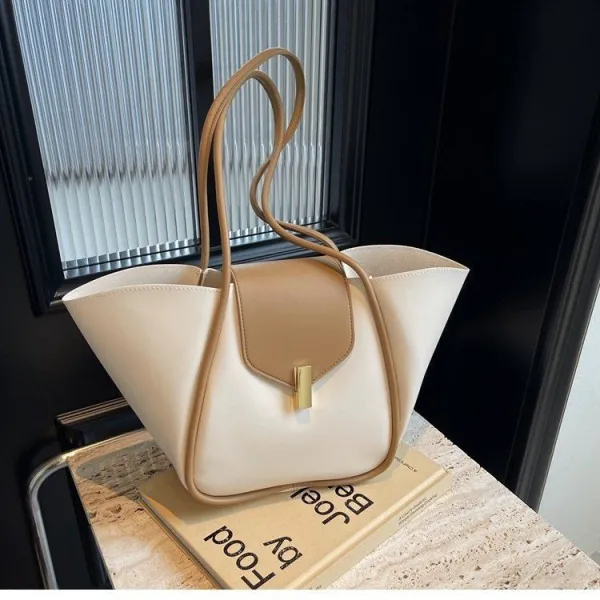
The rise of custom bags marks a pivotal transformation in the fashion industry. They bridge the gap between individuality and identity, offering brands a tangible way to connect with their audience. From the practicality of custom backpacks and drawstring bags to the elegance of custom handbags and wallets, personalization adds emotional depth and strategic advantage.
Fashion branding is no longer about mass appeal—it’s about meaningful connection. Custom bags embody this new philosophy, proving that the future of fashion belongs to those who make every design, every color, and every stitch uniquely personal.


Comments
Post a Comment