Ethical Manufacturing Standards in Wholesale Sleepwear Production Chains
The global fashion industry has been undergoing a significant transformation in recent years, driven by a growing demand for transparency, sustainability, and ethical business practices. This shift in consumer expectations has been particularly impactful in the lingerie and sleepwear sectors, where companies are facing increasing pressure to not only deliver stylish and functional products but also to adhere to ethical manufacturing standards. As concerns around environmental degradation, labor rights violations, and unethical sourcing continue to rise, manufacturers in the wholesale sleepwear market are reevaluating their production practices. Ethical manufacturing has become a focal point for wholesalers across all segments of the lingerie and sleepwear industries, from wholesale sports bras to custom panties.
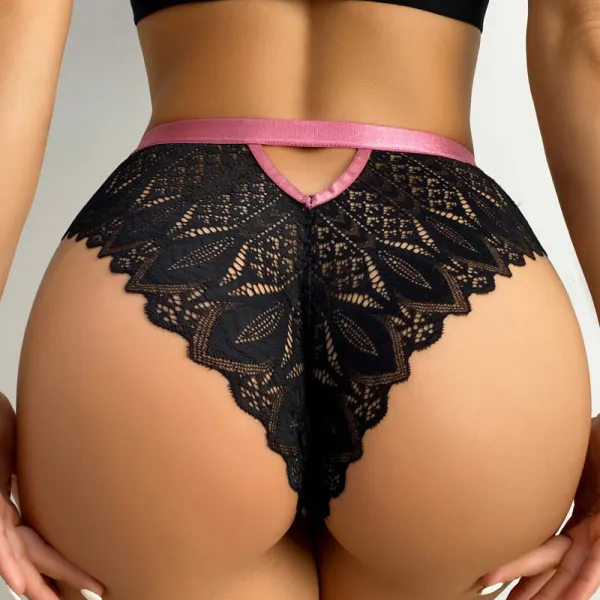
In this article, we will explore how ethical manufacturing standards are shaping the wholesale sleepwear production chains, the challenges companies face in implementing these practices, and the long-term benefits for both brands and consumers. We will also discuss the key ethical issues involved, such as labor rights, environmental sustainability, and supply chain transparency, and how they influence consumer decisions in the wholesale lingerie and sleepwear markets.
The Rise of Ethical Fashion
The demand for ethical fashion has grown exponentially over the past decade, particularly as consumers become more aware of the impact their purchasing decisions have on the environment and workers around the world. In the past, the focus of wholesale lingerie and sleepwear production was primarily on reducing costs and increasing efficiency. However, as sustainability and social responsibility have gained importance, ethical manufacturing practices have taken center stage. The shift has been especially noticeable in the production of wholesale sports bras, shapewear, and plus size lingerie, where companies are expected to ensure that the materials used are sourced responsibly and that labor conditions meet fair standards.
The ethical fashion movement covers a broad spectrum of issues, including fair wages, working conditions, environmental impact, and animal welfare. As consumers become more discerning, brands are increasingly seeking ways to ensure that their products are ethically produced, particularly in industries such as wholesale underwear and sleepwear, where intimate apparel is designed and manufactured. Companies are adopting new strategies that prioritize social and environmental responsibility, ensuring that their supply chains reflect the values that today’s consumers care about most.
Key Ethical Standards in Wholesale Sleepwear Production
In order to meet the growing demand for ethical products, wholesale sleepwear manufacturers must adhere to a range of standards that promote transparency, sustainability, and fair labor practices. These standards are not only important for maintaining a positive brand reputation but are also critical for establishing long-term relationships with customers who are increasingly committed to supporting brands that align with their values.
1. Fair Labor Practices and Worker Rights
One of the most pressing issues in the global manufacturing industry is the treatment of workers, particularly in developing countries where labor laws are less stringent. In many parts of the world, garment workers are subjected to poor working conditions, low wages, and lack of job security. Ethical manufacturing standards in wholesale sleepwear production emphasize the importance of fair wages, safe working environments, and respect for workers' rights.
For wholesale lingerie plus size brands, as well as shapewear wholesale vendors, ensuring that workers are treated ethically and paid fairly is an essential component of the production process. In addition to fair wages, companies must provide adequate working conditions, including safe and hygienic facilities, reasonable working hours, and opportunities for professional development. Many brands have adopted certifications such as Fair Trade or the Ethical Trading Initiative (ETI) to guarantee that their manufacturing partners meet these standards.
2. Sustainable Sourcing of Materials
Environmental sustainability is another key aspect of ethical manufacturing standards. The fashion industry is one of the largest contributors to global pollution, particularly in terms of textile waste, water consumption, and carbon emissions. Ethical brands in the wholesale lingerie and sleepwear markets are increasingly focused on reducing their environmental impact by sourcing materials that are eco-friendly, such as organic cotton, bamboo, or recycled fabrics. These materials are not only more sustainable but also contribute to reducing the environmental footprint of lingerie production.
For example, a wholesale underwear brand that uses biodegradable materials or recyclable packaging demonstrates a commitment to sustainability. In addition, many lingerie wholesalers are opting for eco-friendly dyes, which reduce the environmental impact of water-intensive garment dyeing processes. Adopting a “zero waste” approach to production is also becoming more common, where brands aim to minimize fabric waste by using precise cutting methods or upcycling leftover materials to create new products.
3. Transparency in the Supply Chain
Transparency is a key element of ethical manufacturing practices. In the past, the lingerie and sleepwear industry, like many others, has been marked by a lack of visibility into the supply chain. Consumers are increasingly demanding more information about where and how their products are made. Wholesale lingerie brands are expected to provide clear, accessible information about their sourcing practices, manufacturing processes, and labor conditions.
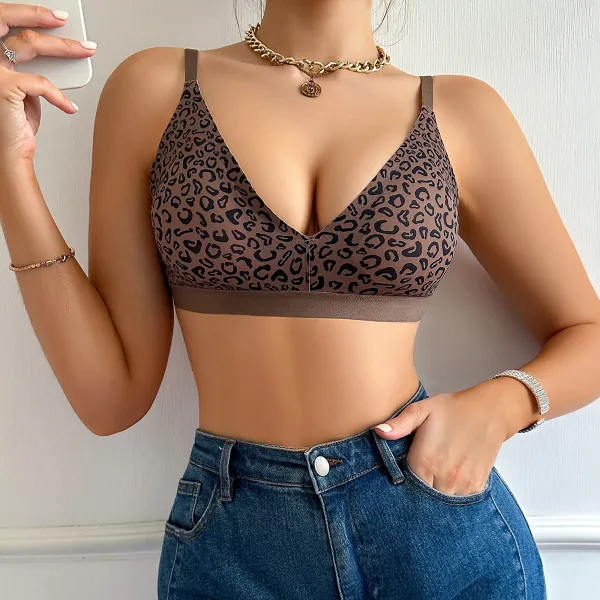
For wholesale sports bras and shapewear wholesale vendors, this means offering transparency regarding the factories they partner with, the materials they use, and the treatment of their workers. Brands that publish their supply chain audits, show detailed reports of their environmental impact, and disclose their manufacturing partners’ information are seen as more credible and trustworthy. This transparency not only builds trust with consumers but also holds companies accountable for their actions, encouraging them to continue making improvements in ethical manufacturing practices.
4. Animal Welfare Standards
While animal welfare may not always be a primary concern in the production of sleepwear, it is still an important ethical issue, particularly in the use of animal-derived materials. Many wholesale lingerie brands have moved toward cruelty-free and vegan options, eliminating the use of materials such as silk, wool, or leather. Brands that specialize in products like custom panties, for example, may offer cruelty-free alternatives by using synthetic materials or plant-based fibers.
For brands that still use animal-derived materials, adherence to animal welfare standards is crucial. This means sourcing from suppliers that follow ethical practices and avoid practices like mulesing, which involves the painful removal of skin from sheep, or ensuring that silk is produced without causing harm to silkworms.
The Role of Customization in Ethical Manufacturing
Customization has become a significant trend in the lingerie and sleepwear industries, allowing consumers to create products that reflect their individual preferences. Customization not only caters to consumer desires but also provides an opportunity for brands to implement ethical manufacturing practices on a more personal level.
For example, brands that offer custom panties or personalized sleepwear can give customers more control over the materials used in the production of their garments. This ensures that consumers can select products that meet both their aesthetic and ethical standards. In addition, customization often involves smaller production runs, which can help reduce waste compared to mass production methods.
By allowing customers to choose eco-friendly materials or ensuring that the products are made in ethical conditions, brands can offer a more sustainable and socially responsible alternative to traditional mass-produced items. Customization also allows for better size inclusivity, especially when it comes to plus size lingerie wholesale options, giving customers the opportunity to get garments that fit perfectly and are made with sustainable, ethical practices in mind.
Challenges of Implementing Ethical Manufacturing Standards
Despite the growing demand for ethical manufacturing, there are significant challenges that wholesalers face when trying to implement these practices throughout their production chains. One of the biggest hurdles is the cost. Ethical sourcing of materials, ensuring fair wages, and meeting environmental standards often require higher investment, which can be challenging for smaller brands or those operating in price-sensitive markets.
Additionally, transparency and accountability require extensive monitoring and auditing of suppliers and production facilities. This can be a time-consuming and costly process, particularly when dealing with international supply chains that span multiple countries and regions.
Another challenge is the potential for “greenwashing,” where companies falsely claim to adhere to ethical standards without genuinely making the necessary changes. To combat this, consumers and industry watchdogs are becoming more discerning, demanding certifications and verifiable evidence of ethical practices before making purchasing decisions.
The Future of Ethical Wholesale Sleepwear Production
The future of wholesale sleepwear production is undoubtedly tied to ethical manufacturing. As consumers continue to prioritize sustainability and social responsibility, companies will need to adapt to meet these expectations. Ethical manufacturing standards will likely become more integrated into the core of business operations, moving beyond niche markets and becoming the norm.
In particular, the demand for eco-friendly materials, fair labor practices, and transparent supply chains will shape the future of the industry. With advancements in technology, brands will have more tools at their disposal to track their environmental impact, optimize their production processes, and ensure ethical practices throughout their supply chains.
The rise of customization will also continue to play a key role, allowing brands to meet consumer demand for both personalized products and ethical production. As consumer expectations evolve, it is clear that wholesale sleepwear brands must embrace ethical manufacturing to remain competitive and relevant in an increasingly conscientious market.
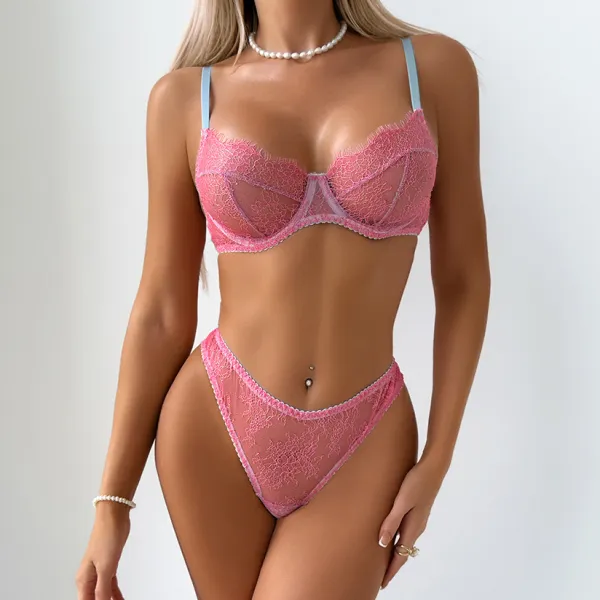
Ethical manufacturing standards are reshaping the landscape of wholesale sleepwear production. From fair labor practices and sustainable sourcing of materials to transparency in the supply chain and animal welfare considerations, ethical standards are influencing every aspect of the production process. As consumers become more conscious of the social and environmental impact of their purchases, brands in the wholesale lingerie, sleepwear, and shapewear markets must rise to the challenge of meeting these expectations.
The future of ethical wholesale sleepwear production looks promising, with growing demand for customized, sustainable, and socially responsible products. By adopting ethical manufacturing practices, companies can not only build stronger relationships with their customers but also contribute to a more sustainable and equitable global fashion industry.


Comments
Post a Comment