Wholesale Women's Shoes: Market Analysis and Opportunities
The women's shoe market represents a significant segment of the global footwear industry, offering numerous opportunities for wholesale businesses. With evolving fashion trends, changing consumer preferences, and technological advancements, the wholesale women's shoe market is continuously adapting and expanding. For businesses looking to capitalize on this dynamic market, understanding its current state and future potential is essential.
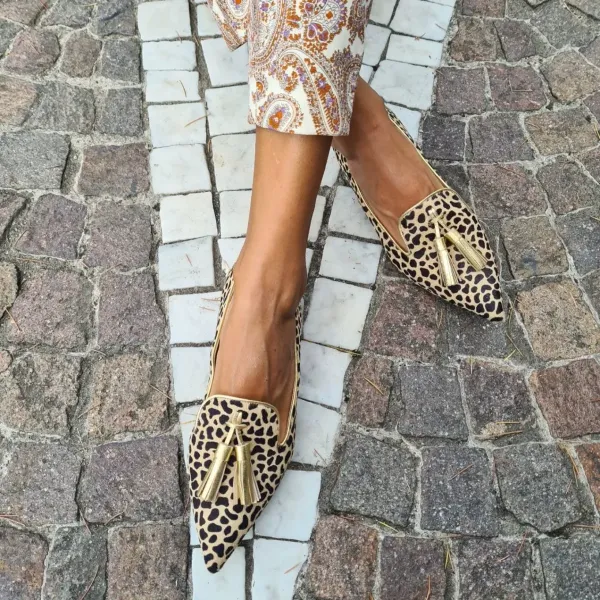
This article provides a comprehensive analysis of the wholesale women's shoe market, identifying key trends, opportunities, and strategies for success. For a diverse selection of wholesale women's shoes to add to your inventory, explore the extensive collection available at wholesale shoes.
Market Size and Growth
The global women's shoe market has experienced steady growth over the past decade, driven by factors such as rising disposable incomes, changing fashion trends, and increasing e-commerce penetration.
Current Market Statistics
The global women's shoe market was valued at approximately $152 billion in 2025
It's projected to grow at a CAGR of 5.8% from 2026 to 2030
Asia-Pacific represents the largest market, followed by North America and Europe
Online sales account for an increasing share of the market, with e-commerce growing faster than traditional retail
Growth Drivers
Rising middle class: Growing disposable incomes in emerging markets
Fashion consciousness: Increasing focus on personal style and brand identity
E-commerce expansion: Greater access to global markets through online platforms
Sustainability trends: Growing demand for eco-friendly footwear options
Product innovation: Technological advancements in comfort and performance
Key Market Segments
The wholesale women's shoe market can be segmented based on various factors, including product type, price point, and distribution channel.
Product Type Segmentation
Athletic shoes: Running, training, and casual athletic footwear
Casual shoes: Sneakers, loafers, and flats
Dress shoes: Heels, pumps, and formal footwear
Boots: Ankle, knee-high, and over-the-knee styles
Sandals: Flat, wedge, and heeled options
Specialty shoes: Dance, work, and medical footwear
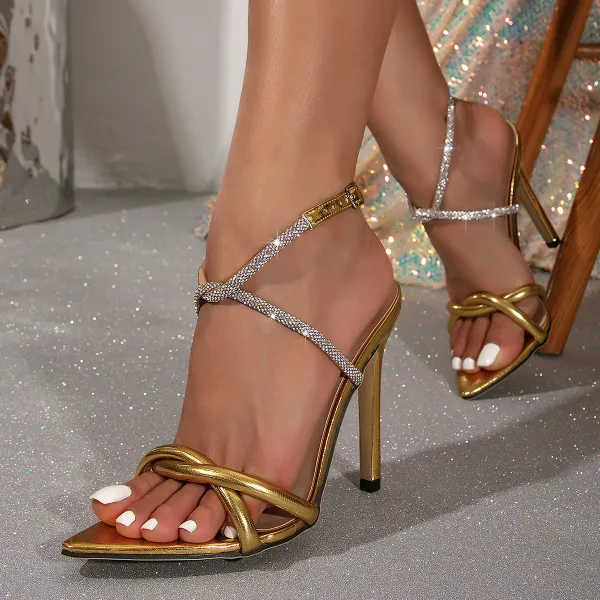
For specialized categories like wholesale women high heel products, understanding consumer preferences and trends is particularly important.
Price Point Segmentation
Luxury: Premium brands with high-quality materials and craftsmanship
Mid-range: Balancing quality and affordability
Value: Budget-friendly options with basic features
Distribution Channel Segmentation
Traditional retail: Brick-and-mortar stores and department stores
E-commerce: Online marketplaces and brand websites
Direct-to-consumer: Brand-owned stores and websites
Wholesale: Distribution through retailers and resellers
Consumer Trends and Preferences
Understanding consumer behavior is crucial for wholesale women's shoe businesses looking to stay ahead of the market.
Key Consumer Trends
Comfort prioritization: Increasing demand for comfortable yet stylish footwear
Sustainable choices: Growing preference for eco-friendly materials and ethical production
Versatility: Desire for shoes that transition from day to night
Personalization: Interest in customizable and personalized footwear options
Digital engagement: Research and purchasing through social media and online platforms
Demographic Insights
Millennials: Value sustainability, comfort, and brand ethics
Gen Z: Seek unique, trendy styles and prioritize online shopping
Generation X: Focus on quality, comfort, and value
Baby Boomers: Prioritize comfort, support, and durability
Market Opportunities
The wholesale women's shoe market offers several promising opportunities for businesses willing to adapt to changing consumer demands.
Emerging Opportunities
Sustainable footwear: Eco-friendly materials and production processes
Athleisure: Casual athletic shoes that blend performance and style
Customization: Personalized footwear options
Digital retail experiences: Virtual try-ons and augmented reality
Inclusive sizing: Expanded size ranges to cater to diverse customer needs
Cross-cultural designs: Fusion of different cultural elements in footwear design
Niche Markets
Sustainable luxury: High-end eco-friendly footwear
Performance work shoes: Comfortable and supportive shoes for professionals
Travel footwear: Lightweight, versatile shoes for frequent travelers
Adaptive footwear: Shoes designed for people with disabilities or special needs
Competitive Landscape
The wholesale women's shoe market is highly competitive, with both established brands and emerging players vying for market share.
Key Players
Established brands: Nike, Adidas, Puma, Reebok, New Balance
Fashion brands: Gucci, Prada, Chanel, Louis Vuitton
Specialty brands: Birkenstock, Crocs, Skechers, Clarks
Emerging sustainable brands: Allbirds, Rothy's, Veja
Competitive Strategies
Product innovation: Developing new materials and technologies
Sustainability initiatives: Reducing environmental impact
Digital transformation: Enhancing online presence and customer experience
Supply chain optimization: Improving efficiency and reducing costs
Brand storytelling: Creating emotional connections with consumers
Wholesale Strategies for Success
To succeed in the wholesale women's shoe market, businesses need to develop effective strategies that address market trends and consumer demands.
Sourcing and Inventory Management
Diversified supplier base: Working with multiple suppliers to reduce risk
Data-driven inventory: Using sales data to optimize inventory levels
Seasonal planning: Aligning inventory with seasonal trends
Quality control: Implementing rigorous quality standards
Marketing and Sales
Digital marketing: Leveraging social media and content marketing
Trade shows: Participating in industry events to showcase products
Retailer education: Providing training and marketing support to retail partners
Customer feedback: Collecting and acting on customer insights
Pricing and Positioning
Value proposition: Clearly communicating the unique value of your products
Competitive pricing: Balancing quality and affordability
Tiered pricing: Offering different price points to cater to diverse customers
Promotional strategies: Developing targeted promotions and incentives
Case Study: Successful Wholesale Women's Shoe Business
To illustrate effective strategies in the wholesale women's shoe market, let's examine a case study of a successful business:
Background
A mid-sized wholesale women's shoe company was struggling to compete in the crowded market. They specialized in mid-range casual and dress shoes but were facing declining sales and increasing competition.
Implemented Strategies
Market segmentation: Focused on the sustainable footwear niche, developing eco-friendly options
Product innovation: Introduced comfortable, stylish shoes with sustainable materials
Digital transformation: Enhanced their online presence and implemented e-commerce capabilities
Supply chain optimization: Partnered with ethical manufacturers and streamlined logistics
Retailer support: Provided marketing materials and training to retail partners
Customer engagement: Created a loyalty program and solicited customer feedback
Results
Increased sales by 45% within 18 months
Expanded distribution to 200+ new retail locations
Established a strong brand reputation in the sustainable footwear space
Improved profit margins by 15% through supply chain optimization
Built a loyal customer base through engaging marketing initiatives
Future Outlook
The wholesale women's shoe market is expected to continue evolving, driven by technological advancements, changing consumer preferences, and global economic trends.
Future Trends
Technological integration: Smart shoes with fitness tracking and other features
Circular economy: Closed-loop systems for shoe recycling and reuse
Direct-to-consumer models: Increased brand ownership of distribution channels
Personalization: AI-driven customization of footwear
Cross-category integration: Shoes designed to complement other fashion categories
Challenges and Opportunities
Supply chain resilience: Building more robust and flexible supply chains
Sustainability compliance: Meeting increasing environmental regulations
Digital adaptation: Embracing new technologies and online platforms
Consumer education: Raising awareness about sustainable footwear options
Global expansion: Exploring emerging markets with growing middle classes

The wholesale women's shoe market presents significant opportunities for businesses that understand its dynamics and adapt to changing consumer demands. By focusing on emerging trends, such as sustainability, comfort, and digital engagement, wholesale shoe businesses can position themselves for success in this competitive market.
Key strategies for success include developing a deep understanding of consumer preferences, optimizing inventory management, implementing effective marketing strategies, and staying ahead of technological advancements. By combining these elements with a commitment to quality and customer satisfaction, wholesale women's shoe businesses can thrive in the evolving market landscape.
For a wide selection of wholesale women's shoes to meet the demands of today's consumers, explore the extensive collection available through reputable suppliers. Whether you're looking for popular categories like wholesale sandals and wholesale boots, or specialized options like wholesale house slippers, having a diverse product offering is essential for capturing market share.
By staying informed about market trends, understanding consumer preferences, and implementing effective business strategies, wholesale women's shoe businesses can capitalize on the numerous opportunities in this dynamic market and achieve long-term success.


Comments
Post a Comment