Wholesale Makeup vs. Private Label Beauty: Which Strategy is Best for Your Brand?
1. Navigating the Strategic Crossroads of Beauty Retail
The modern global beauty, skincare, and personal care marketplace is characterized by hyper-competition, shifting consumer loyalties, and rapid digital transformation. For independent boutique founders, e-commerce startup executives, salon owners, and scaling multi-channel merchants, choosing the right product sourcing and branding model is the single most critical decision determining long-term survival and profitability. When entering or expanding within the beauty industry, entrepreneurs inevitably arrive at a strategic crossroads: should they curate and resell established
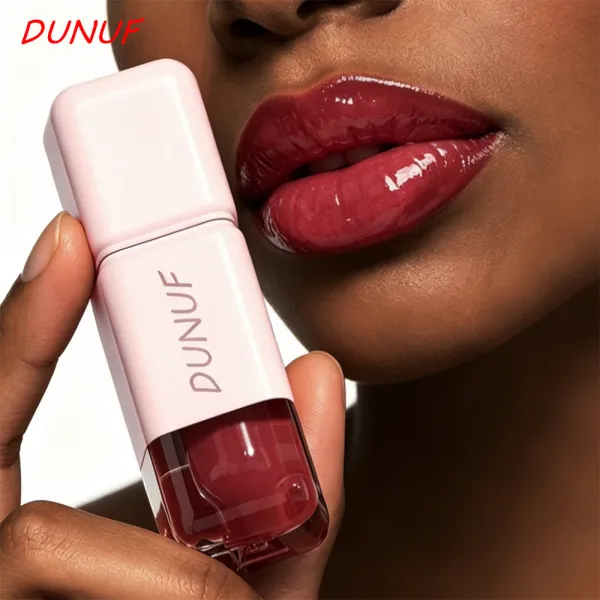
This fundamental choice—wholesale versus private label—shapes every facet of your business operations. Wholesale sourcing allows brands to launch instantly with zero manufacturing lead times, leveraging proven formulations, established market demand, and recognizable trends. Conversely, private label manufacturing grants founders total creative control over custom formulations, exclusive branding, unique packaging, and higher long-term profit margins, albeit with steeper minimum order quantities (MOQs), upfront R&D costs, and extended regulatory compliance timelines.
This comprehensive guide serves as your definitive strategic roadmap to evaluating wholesale makeup versus private label beauty. By dissecting the financial economics, operational workflows, risk management protocols, and marketing dynamics of both models—while expanding into high-margin ancillary categories like fragrances, hair extensions, and professional tools—this manual equips you with the tactical insights needed to select and master the optimal growth strategy for your brand.
2. Deconstructing the Wholesale Model: Speed, Agility, and Risk Mitigation
The wholesale business model has long served as the backbone of retail commerce. By purchasing ready-made goods in bulk from established manufacturers, distributors, or B2B platforms, retailers can populate their digital shelves or physical storefronts almost immediately. This model eliminates the complex hurdles of chemical formulation, lab testing, custom mold creation, and lengthy regulatory registration phases.
Advantages of the Wholesale Approach
Immediate Market Entry: Without the need for product development cycles, retailers can launch a comprehensive catalog in weeks rather than months.
Lower Capital Barriers: Wholesale purchasing typically requires lower initial financial outlays compared to bespoke private label manufacturing, preserving working capital.
Proven Consumer Demand: Stocking pre-existing goods allows brands to ride established market trends and benefit from consumer familiarity with proven formulations.
Simplified Logistics: Ready-to-sell inventory arrives packaged and ready for distribution, significantly reducing operational friction during early startup phases.
However, the wholesale model is not without its challenges. Because multiple retailers may source the exact same products, brand differentiation can become difficult, often resulting in fierce price competition and compressed profit margins. To combat this, smart retailers augment their wholesale catalogs with high-demand impulse items and functional accessories. For instance, incorporating diverse
3. Deconstructing the Private Label Model: Brand Equity and Margin Control
In stark contrast to the wholesale reseller approach, the private label model empowers retailers to contract third-party manufacturers to produce goods that are sold exclusively under your own brand name and trademark. While private label cosmetics and skincare require a higher upfront investment of time, capital, and regulatory oversight, the long-term rewards—including absolute brand equity, customer loyalty, and superior gross profit margins—can transform a modest starter boutique into an international beauty empire.
Strategic Benefits of Private Labeling
Exclusive Brand Ownership: Customers purchase from your brand, fostering genuine emotional attachment, repeat purchase loyalty, and immunity from direct price comparison shopping.
Superior Profit Margins: By bypassing intermediary distributors and owning the brand IP, private label brands enjoy significantly higher markups and gross profit margins.
Custom Formulations and Aesthetics: You dictate the active ingredients, textures, scents, color payoffs, and packaging design, ensuring your products perfectly align with your target demographic's exact preferences.
Scalable Asset Value: A well-established private label brand with proprietary formulations and trademarked assets holds substantial enterprise value should you ever choose to seek external investment or exit.
Navigating private label manufacturing, however, demands meticulous project management. Founders must coordinate with contract laboratories, evaluate clinical efficacy tests, design custom packaging, and navigate complex international safety regulations. Balancing a private label core with strategic wholesale additions often provides the ideal hybrid cash flow solution during early brand scaling phases.
4. Expanding Profit Centers: Fragrances, Scent Oils, and Portable Formats
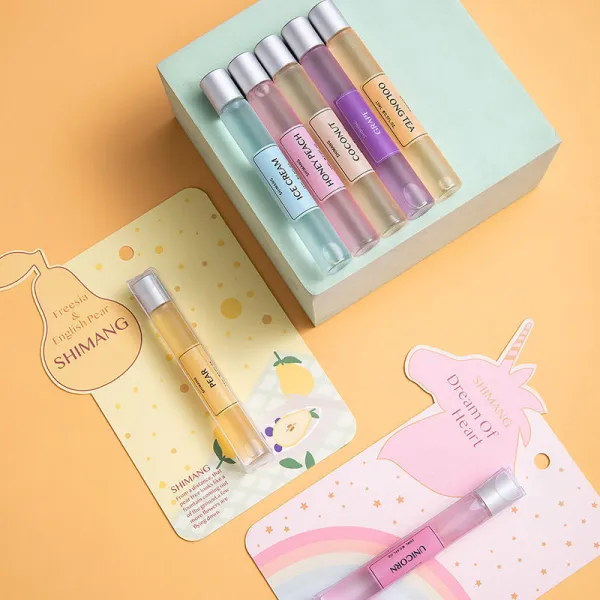
Regardless of whether your primary retail strategy leans toward wholesale curation or private label creation, expanding your catalog into high-margin specialty categories is essential for maximizing average order value (AOV) and customer lifetime value (LTV). Fragrance is an intimate, emotionally resonant category characterized by fierce brand loyalty and exceptional repeat purchase rates.
Modern consumers increasingly favor convenience, portability, and travel-friendly accessibility. Offering curated
To achieve complete demographic market coverage, your fragrance strategy must address distinct lifestyle preferences across genders and formats. Stocking dedicated lines of
5. Capturing the Multi-Billion-Dollar Hair Care, Wig, and Tool Markets
Beyond cosmetics and fragrances, the hair care, extension, and wig sector represents one of the most lucrative, high-retention verticals in global retail. Whether catering to everyday protective styling, theatrical transformations, or natural hair enhancement, stocking premium hair goods is a proven growth strategy for scaling retail brands.
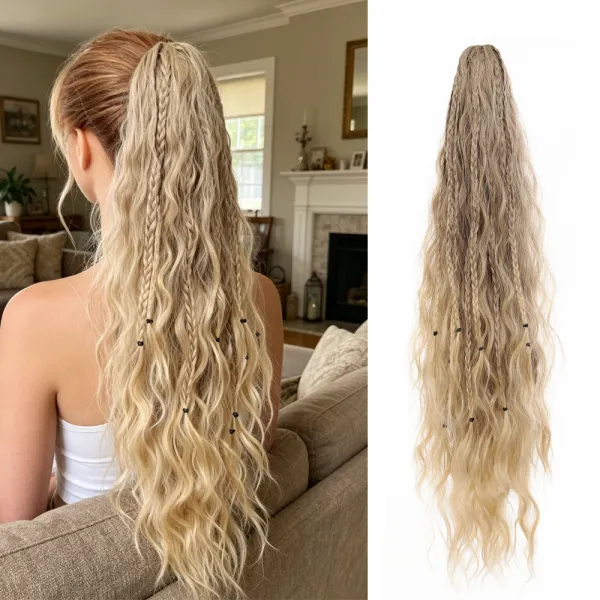
When importing ready-to-wear hair solutions, partnering with verified manufacturers for
For customers seeking permanent or semi-permanent length and volume, hair extensions remain a staple investment. Establishing direct import channels for
6. Financial Economics and Risk Comparison
Choosing between wholesale and private label requires a rigorous financial comparison. Understanding the capital requirements, cash flow cycles, and risk profiles of each model prevents founders from overextending their resources during critical growth phases.
| Financial & Operational Metric | Wholesale Model | Private Label Model |
| Initial Capital Requirement | Low to Moderate (low MOQs, ready-made stock) | High (custom molds, R&D, large MOQs) |
| Time-to-Market | Immediate (1 to 3 weeks for shipping and setup) | Extended (3 to 9 months for formulation and packaging) |
| Gross Profit Margins | Moderate (standard retail markups, reseller competition) | High (exclusive pricing power, controlled COGS) |
| Brand Equity & IP | Low (selling third-party brand names) | High (building proprietary brand assets and trademarks) |
| Inventory & Financial Risk | Low (smaller initial orders, fast turnover) | High (tied-up capital in custom production runs) |
As illustrated above, wholesale offers speed and safety for new startups, while private label offers long-term financial payoff and brand defensibility for established merchants ready to scale.
7. Operational Logistics, Regulatory Compliance, and Quality Control
Regardless of whether you choose wholesale or private label, managing operational logistics and regulatory compliance is non-negotiable. Cosmetics, skincare formulations, topical treatments, and hair products are subject to stringent regional legislation—such as the FDA Modernization of Cosmetics Regulation Act (MoCRA) in the United States, EU Cosmetics Regulations, and equivalent international standards.
Importers and brand owners must ensure that every product complies with safety standards, heavy metal testing, and microbiological purity requirements. When vetting suppliers or contract manufacturers, always demand Good Manufacturing Practice (GMP) certificates, complete Certificate of Analysis (CoA) reports, and Safety Data Sheets (SDS). Furthermore, accurate product labeling—including full INCI ingredient disclosure, batch identification codes, and net weight specifications—is mandatory to prevent customs delays, legal disputes, and costly product recalls.
8. Choosing the Right Strategy for Your Brand's Future
Deciding between wholesale makeup and private label beauty ultimately depends on your current capital resources, operational experience, and long-term brand vision. If you are a new startup founder seeking rapid market entry, minimal financial risk, and immediate cash flow, starting with a curated wholesale model is an ideal, pragmatic pathway. Conversely, if you possess established retail traction, dedicated capital, and a clear vision for exclusive brand ownership, transitioning into private label manufacturing will unlock superior profit margins and enduring enterprise value.
By combining your chosen core model with high-margin ancillary categories—such as portable fragrances, professional hair extensions, and salon-grade tools—you can build a resilient, highly diversified, and future-proof beauty enterprise. Assess your resources, analyze your target demographic, and execute your sourcing strategy with operational rigor to turn your beauty brand aspirations into reality.


Comments
Post a Comment